
By Linda Fisher Thornton There has been a lot of recent discussion around nationalism. The term has been used in ways that seem to put it on par with patriotism. To understand how it’s different, I’ll take a look at nationalism, patriotism and globalism using an ethical lens. Without seeing them through an ethical lens, the differences are less clear. Using an ethical lens, we begin to see that what appear to be subtle variations are vast differences in intent and impact.
Blog
5 Common Culture Gaps That Erode Ethical Leadership

By Linda Fisher Thornton My article, “Ethical Thinking Isn’t Automatic,” featured in the August issue of the Talent Development Journal, describes five culture gaps that inhibit ethical leadership. These culture gaps are common problems that organizations should watch for and avoid. “For ethical leadership to stick, the culture needs an infrastructure that consistently supports acting on stated values…Ethical cultures treat ethical thinking as something that must be cultivated, demonstrated, and practiced over time.”
Ethical Thinking, Ethical Self: 5 Things You Need to Know

By Linda Fisher Thornton Developing an “ethical self” is important for good citizenship and good leadership. But what does it involve? There’s more to developing and maintaining an ethical self than trying to make good choices. Making ethical choices isn’t easy, and while we’re struggling, our brains are actually working against us.
16 Answers to “What is Good Leadership?”
By Linda Fisher Thornton A theme I have noticed in the past in the most viewed posts on this blog is Looking For a Better Kind of Leadership. It's a great time to explore the question “What is Good Leadership? While it’s tempting to over simplify leadership and think about it as any one thing, good leadership can only be fully understood by thinking about it in multiple ways. Here is a starter list of 16 defining characteristics of good leadership:
Your Ethics: Is it a Priceless Asset?

By Linda Fisher Thornton I have been thinking about how lightly some leaders take the subject of ethics. Some ignore ethical issues altogether or think ethical issues are unimportant compared to concerns about profitability. It’s a risky choice to take ethics lightly. Why? Unlike heart or kidney transplants, there are no “ethics transplants” for people who have made bad ethical decisions.
Insights for the Class of 2025

By Linda Fisher Thornton As you begin to build your image of your future plans, I have 5 pieces of advice to share that may be useful. I wish someone had shared these life insights with me when I was a new graduate beginning the next chapter of my life.
What Does It Mean to “Do the Right Thing?”

By Linda Fisher Thornton The “Keep it Simple” approach is good for many situations, but keeping it simple will set you up for failure in ethics. Using an oversimplified approach to solving a complex ethical problem just means you leave out variables you should be considering.
Systems Thinking: Using The 5 Whys
By Linda Fisher Thornton In my Applied Ethics Class, I introduce my students to the Five Whys. This is a simple and valuable tool for getting to the root cause of problems. We may think we understand why something happened but when we “fix” whatever we think is the sole cause we don’t always get the intended result. The reason for that is that problems tend to have multiple causes. They happen in the context of multiple processes. Singling out one “cause” is rarely sufficient for understanding what really happened.
Ethical Thinking: Sifting For Values

By Linda Fisher Thornton Most people think about ethics, at least some of the time. Ethics comes to mind during ethics training, ethics conversations, when people are thrown into ethically complex situations, and when trying to understand current events.
Shallow Thinking

By Linda Fisher Thornton The question of the day is “How does “shallow thinking” lead to ethical mistakes?” By shallow thinking, I mean thinking that is limited in breadth and depth. Think about taking a stroll on the beach as you read the characteristics of shallow thinking below. How do these characteristics describe the kind of thinking that can lead to ethical mistakes and decision gridlock?
How is Critical Thinking Different From Ethical Thinking?
By Linda Fisher Thornton Ethical thinking and critical thinking are both important and it helps to understand how we need to use them together to make decisions. Critical thinking helps us narrow our choices. Ethical thinking includes values as a filter to guide us to a choice that is ethical. Using critical thinking, we may discover an opportunity to exploit a situation for personal gain. It’s ethical thinking that helps us realize it would be unethical to take advantage of that exploit.
The Missing Domain: Ethical Thinking (Part 2)

By Linda Fisher Thornton The first post in this series, “The Missing Domain: Ethical Thinking” explored WHY leaders need to fill the gap and help people develop ethical thinking. This post will begin to unravel HOW to do that.
The Missing Domain: Ethical Thinking (Part 1)
By Linda Fisher Thornton Using the commonly taught types of thinking is very useful in life, and helps us be better professionals and business people. But there’s a catch. Critical thinking can help you understand why a problem happened. It won’t help you find the most ethical solution to the problem once you identify it.
Leader Mindset And The Ethical Use of Power
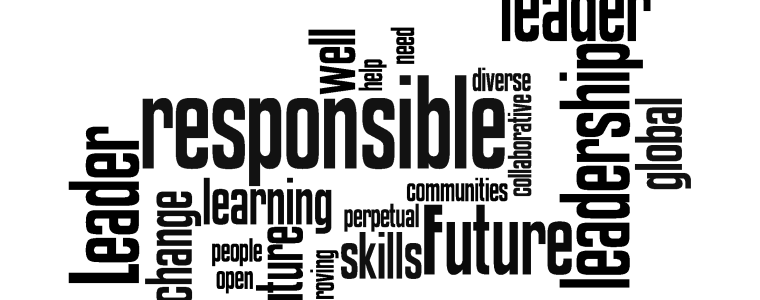
By Linda Fisher Thornton Ethical leaders understand that their role revolves around adding value for others, not for themselves. They are careful to avoid taking advantage of situations for personal gain or for the gain of their colleagues or friends. This other-centered focus keeps them thinking about how what they do will impact those they serve and others in the community.
Mindset or Competency: Which is More Important?

By Linda Fisher Thornton This post will explore the interesting relationship between leadership mindset and competency. Which is most important? What happens to our leadership capability when our mindset is out of date? How we think about something impacts what we do about it. Nick Petrie, Center For Creative Leadership, writes in Vertical Leadership Development Part I that “In terms of leadership, the stage from which you are thinking and acting matters a lot. To be effective, the leader’s thinking must be equal or superior to the complexity of the environment.”
 Leading in Context