
By Linda Fisher Thornton Since the human soul is hard to define, we lack a blueprint for how it connects to ethical choices and actions. If you like digging into topics that some people think are difficult to define, read on.
Blog
What is (and Isn’t) Leadership?
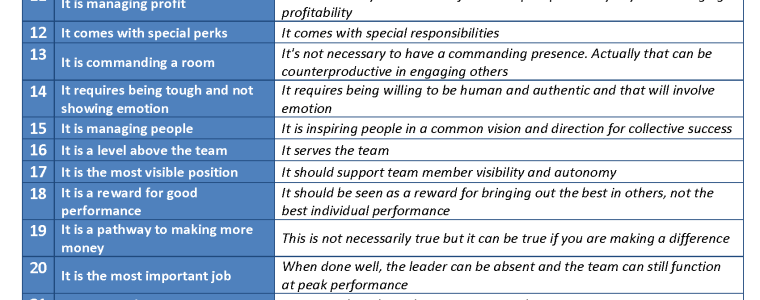
By Linda Fisher Thornton It occurred to me while pruning shrubs that we have many mistaken
Mental Maps Impact Leader Behavior

By Linda Fisher Thornton This post will explore the interesting relationship between leadership mindset and competency. Which is most important? What happens to our leadership capability when our mindset is out of date?
Ethical Values Are Good For Business (Part 7)

By Linda Fisher Thornton We need to get leadership right because so much depends on it. Many global factors are driving changes in ethical leadership expectations, and in high-stakes times, how we handle ethical leadership development can make or break our success. This week I’ve created a graphic that brings the expectations and priorities into clearer focus.
Ethical Values Are Good For Business (Part 6)

By Linda Fisher Thornton Ethical values can drive positive business results, but only if leaders continually learn and apply better leadership, and stretch to grow. With the bar for expected leadership set so high, it will be a continual career-long stretch for our leaders. But leaders shouldn't be scared off by this, because taking this journey also provides a deep sense of meaning, satisfaction and making a positive difference.
Ethical Values Are Good For Business (Part 5)

By Linda Fisher Thornton Ethical values are good for business, but only if you keep up as times change. Right now, expectations are high and Ibelieve that values-based leadership is gaining momentum. Recently I was asked to explain why I think so, and I thought I would share my answer in today’s blog post. Here are a number of trends that I see that are working together to fuel the movement toward leading with positive values.
Ethical Values Are Good For Business (Part 4)
By Linda Fisher Thornton In Part 1 of this series "Ethical Values Are Good For Business" I shared the importance of clearing up the confusion employees have in balancing ethical values with bottom line profitability. In Part 2, we looked at the importance of aligning strategy with the organization's values. Part 3 addressed the senior leader's important role. In Part 4 let's look at using values to guide us in challenging times.
Ethical Values Are Good For Business (Part 3)

By Linda Fisher Thornton In Part 1 of this series "Ethical Values Are Good For Business" I shared the importance of clearing up the confusion employees have in balancing ethical values with bottom line profitability. In Part 2, we looked at the importance of aligning strategy with the organization's values. In Part 3, we'll address the senior leader's important role.
Ethical Values are Good For Business (Part 2)

By Linda Fisher Thornton Ethical values are good for business, but only when values and strategy align. Consumers are seeking brands that support well-being, sustainability, and social justice, realizing that these brands are more likely to have the best interests of consumers and society at heart. Because of this, brands will benefit from assessing their alignment between values, culture, and strategy.
Ethical Values are Good For Business (Part 1)

By Linda Fisher Thornton Even if a company has clear values, applying them is not as easy as leaders might think. According to Gallup (2016), just 23% of U.S. employees strongly agree that they can apply their organization’s values to their work every day, and only 27% strongly agree that they "believe in" their organization's values. In 2022 Gallup reported that "Without strong, lived and embedded values, it is difficult for employees to find meaning in their job."
Bridging Cultural Differences

By Linda Fisher Thornton Openness to learning about other cultures has become a necessary component of leadership. One way to help people respect cultural differences is to build what UNESCO calls “intercultural competence.” To accomplish this, we need an open mind, and a willingness to learn from others who do not think or live as we do.
11 Paths to Mastering Ethical Leadership
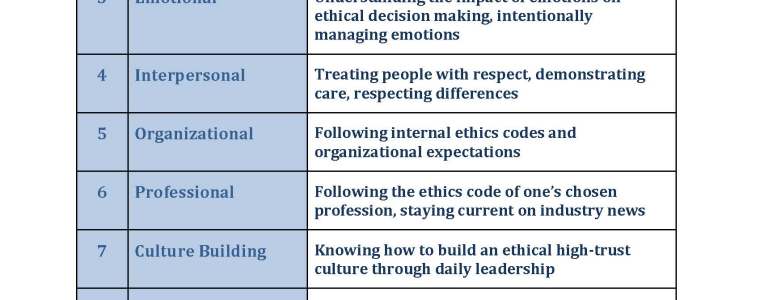
By Linda Fisher Thornton Developing competent ethical leaders can be a huge challenge. Why is it so difficult? We live in a globally connected society, and are expected to be globally aware. We are dealing with catastrophic change and uncertainty. We fill many different roles in our organizations, industries and communities. Each role we play and each decision we face has different ethical implications. Ethical competence is definitely not something that “just happens.”
Insights for the Class of 2024

By Linda Fisher Thornton Graduates, as you start to search for a job, I want to share some guidance about how to choose an organization that aligns with your values to enhance your work experience and likelihood of success.
Ethical Leaders: 10 Behaviors to Avoid

By Linda Fisher Thornton In the lifelong quest to become our best selves, we need to stretch and grow and learn from our mistakes. Being a flexible and willing learner, we will more easily stay competent as the world changes. Here are 10 things to avoid if we are to accomplish the elusive goal of becoming our best selves:
What is Hate Speech?

By Linda Fisher Thornton According to the United Nations, "there is no universal definition of hate speech under international human rights law. The concept is still under discussion, especially in relation to freedom of opinion and expression, non-discrimination and equality." (What is Hate Speech, UN.org)
 Leading in Context