
By Linda Fisher Thornton Ego has a way of undoing even our best intentions as leaders. We have to be aware of our ego and manage it to avoid getting off track. In a world that requires rapid adaptation to changing events and circumstances, ego tries to maintain the status quo and works against our ability to pivot in response to change. Think of the adaptable leader as piloting a boat, able to turn at a moment’s notice as the situation warrants it. The ego-driven leader, in contrast, is living in a fortress with a moat around it, protecting status and the status quo at all cost. The fortress can’t move, can’t pivot, can’t adapt to changing circumstances.
Tag: what is ethical leadership
Leadership, Complexity and Control
By Linda Fisher Thornton Leaders who solve complex problems need a special blend of qualities – the curiosity to untangle the variables, the persistence to keep trying, and the openness to change beliefs and strategies as answers emerge from the chaos. But those qualities will only take them so far. They’ll also need to be great listeners and engaging leaders, so that they gather information from stakeholders and team members. They’ll need to be systems thinkers with a global mindset.
Leadership: It’s Not About Us

By Linda Fisher Thornton You may have noticed that society’s expectations of us as leaders are continuing to increase. Consumers prefer to purchase from companies that genuinely care about their well-being. Employees want to work for companies that treat people well, do meaningful work and give back to the community. To survive in this new land where ethics is key to success, we must understand that it is not all about us.
What is (and Isn’t) Leadership?
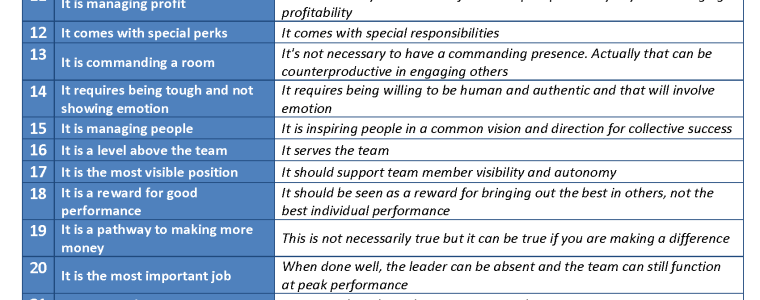
By Linda Fisher Thornton It occurred to me while pruning shrubs that we have many mistaken
Mental Maps Impact Leader Behavior

By Linda Fisher Thornton This post will explore the interesting relationship between leadership mindset and competency. Which is most important? What happens to our leadership capability when our mindset is out of date?
Ethical Values Are Good For Business (Part 5)

By Linda Fisher Thornton Ethical values are good for business, but only if you keep up as times change. Right now, expectations are high and Ibelieve that values-based leadership is gaining momentum. Recently I was asked to explain why I think so, and I thought I would share my answer in today’s blog post. Here are a number of trends that I see that are working together to fuel the movement toward leading with positive values.
Bridging Cultural Differences

By Linda Fisher Thornton Openness to learning about other cultures has become a necessary component of leadership. One way to help people respect cultural differences is to build what UNESCO calls “intercultural competence.” To accomplish this, we need an open mind, and a willingness to learn from others who do not think or live as we do.
What Role Does Exclusion Play in Hate and Violence? (Part 3)
By Linda Fisher Thornton One of the thinking traps that people fall into is putting people into categories. This may result in assigning a derogatory label to the category, and making blanket statements about how "all people" from that category are a certain way.
What Role Does Exclusion Play in Hate and Violence? Part 2

By Linda Fisher Thornton Moral exclusion includes using an insider mindset and thinking that others (who are not members of the group) as not worthy of protecting. If you're not yet familiar with moral exclusion, this post may be helpful background on differences in world views and selective inclusion.
What Role Does Exclusion Play in Hate and Violence? Part 1

By Linda Fisher Thornton Hate speech and violence do not adhere to ethical values. An ethical person will quickly rule them out due to the harm they cause to others. But even when someone wants to be an ethical person, there are problems with human thinking that can enable hate and violence to happen.
Ethical Leadership Development: 15 Important Elements

By Linda Fisher Thornton Since moral growth is a lifelong pursuit, moral education needs to start early, and it needs to continue throughout our professional careers. This requires quite a bit more effort than just doing an "annual ethics training." Since ethical leadership itself is multidimensional and nuanced, any ethical leadership development for leaders must be multifaceted and nuanced.
10 Quotes to Inspire Leaders in 2024 (Part 2)

By Linda Fisher Thornton This series includes 10 quotes (linked to blog posts with leadership guidance) to inspire you and help you improve your leader development as we head into the new year. Part 1 included the first 5. Here are 5 more:
10 Quotes to Inspire Leaders in 2024 (Part 1)

By Linda Fisher Thornton This series includes 10 quotes (linked to blog posts with leadership guidance) to inspire you and help you improve your leader development as we head into the new year. Part 1 includes the first 5.
Hallmarks of Ethical Leadership (Part 3)
By Linda Fisher Thornton In Hallmarks of Ethical Leadership Part 1and Part 2, I shared 6 special qualities, behaviors and outcomes that define ethical leadership. This week I’ll share three more. These are intentional actions ethical leaders take to stay competent as things change around them.
Hallmarks of Ethical Leadership (Part 2)
By Linda Fisher Thornton In Hallmarks of Ethical Leadership (Part 1) I shared 3 special qualities or behaviors that define ethical leadership. These three additional leadership behaviors even more directly impact others in a positive way.

