By Linda Fisher Thornton We need profits to exchange goods and services, pay bills and grow our businesses. So what's the problem with it? The problem is that profitability cannot become our defining business goal, and it cannot replace values as the central beacon of our decision-making.
Blog
5 Ways to Talk About Ethics (Without Being “Blah Blah Boring”)
By Linda Fisher Thornton We owe it to our employees to make ethics real. People learning ethics are often given "blah blah boring" material (and then expected to remember and apply it). I believe that this is not just a mistake, it's a crime! Why? Because ethics is anything but boring. Ethics is really interesting stuff when you dive into its complexities. Today I'm sharing 5 ways to talk about ethics without being "blah blah boring." Feel free to use these as conversation starters with your team, and let me know if they make your conversations more meaningful.
Trust-Building Requires Trust-Giving
By Linda Fisher Thornton Good leaders Intentionally build trust. They build it through everyday words and actions. They build it by demonstrating that they can be trusted. They also build it when they extend trust to others. Many leaders wait for people to prove themselves before they trust them, but trust is reciprocal. Leaders set the tone for trust-building by how open they are to trusting others first. Are you reaching out? Or are you waiting for your employees to have a "perfect" record before trusting them?
7 Definitions of “Good” (Why We Disagree About Ethics)
By Linda Fisher Thornton Why is it so difficult to agree on the right thing to do? One of the reasons we may not agree is that each of us may be using a different definition of what is "good." Here are 7 different interpretations of what is ethically good, based on the framework in 7 Lenses: Learning the Principles and Practices of Ethical Leadership (2013). Which ones are you using in your leadership?
Full Accountability For Ethics: The New Normal
By Linda Fisher Thornton I recently blogged about trends in ethical leadership, sharing 10 forces that are fueling a movement toward higher expectations for values-based leadership. Today I want to explore how those trends help explain what we are seeing in ethics cases in the news. Recent headlines have described more severe sanctions than people have seen in the past, in response to ethics problems in sports, politics, business and beyond. Some people may have wondered, "Why are people now being convicted for doing the same things that others before them have done?"
Leading For Ethics Future? (Or Ethics Past?)

By Linda Fisher Thornton We are expected to make ethical decisions in a rapidly changing global society, where there is increasing awareness of what "ethical" means. The question of where ethics is headed has been the focus of my research over the last four years. I have learned that to be considered ethical, we must consider more constituents, honor more dimensions of ethics, and lead ethically through higher levels of complexity. How do we prepare for that? We reach higher and think longer-term.
“Hearing” All Stakeholders (Even When They’re Not in the Room)?
By Linda Fisher Thornton A quiet group of stakeholders is being considered in leadership conversations. They can't weigh in on major decisions, but they have a lot at stake in the decisions that get made. They are silent stakeholders, and the decisions we make in our meetings every day affects them directly.
Using Negative Examples to Teach Ethics? Why It’s Not Enough.

By Linda Fisher Thornton How many times have we tried to teach people about ethics by explaining every detail of what it doesn't look like? We describe laws and regulations and ethics guidelines in great detail, then ask attendees if there are any questions. After learning in great detail how to stay out of trouble, the thought on their minds may just be "Okay, now I know what NOT to do." We can't teach ethics by giving people negative examples.
Critical Roles of the (Ethical) CEO

By Linda Fisher Thornton There have been many stories about unethical CEOs in the news, but not as many about the good ones. That's a shame, because the ethical CEO is a positive powerhouse - devoted to serving employees, customers, and communities. I thought it would be helpful to describe some of the critical functions of the ethical CEO that enable organizational success. Intentionally investing in these roles creates the kind of workplaces that attract top employees and devoted customers.
5 Reasons Ethical Culture Doesn’t Just Happen
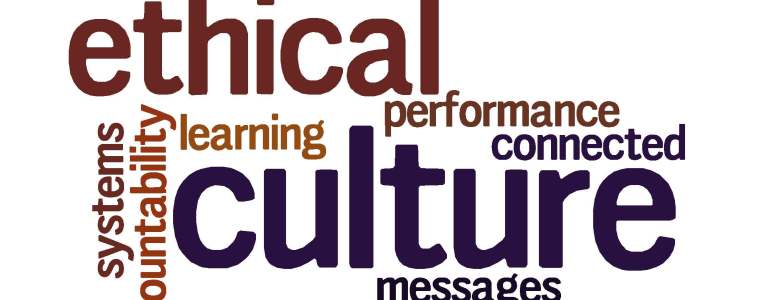
By Linda Fisher Thornton Don't assume that an ethical culture will just happen in your workplace. Even if you are a good leader, ethical culture is a delicate thing, requiring intentional positive leadership and daily tending. It requires more than good leadership, more than trust building, and more than good hiring. Why does building an ethical culture require so much more than good leadership? Ethical culture is a system of systems, and just putting in good leadership, trust-building and good hiring doesn't make it healthy.
13 (Culture-Numbing) Side Effects of Toxic Leadership
By Linda Fisher Thornton
A reader commented on the post Can A Toxic Leader Be Ethical? Yes and No requesting more information about the organizational side-effects of toxic leadership. If you have ever worked for a toxic leader (myself included) you have already experienced the powerful negative side effects first-hand.
When people are treated as "less than human," "less than capable" or as "pawns in a game" some extremely negative things happen in the organization that derail its success. Attempts to control what people do and say makes them feel inadequate and unappreciated. Withholding information to preserve power creates an environment of suspicion.
Is Your Leadership Net Positive?
By Linda Fisher Thornton
Generating an intentional positive ethical impact is the successful ethical leadership of the future, and it's already here. The Forum For the Future describes it as net positive leadership - making a positive contribution to society and leaving things better than we found them.
How to Build an Ethical Culture
By Linda Fisher Thornton
Today I'm sharing hand-picked resources about how to build an ethical culture. The most recent one was just published this week by Government Executive magazine. They acknowledge complexity, and are based on performance improvement and ethical principles.
This collection provides practical advice for how to build high trust cultures and keep the ethics conversation alive. Use it to create workplaces where people thrive and where "ethical" is a way of life.
10 Things Trustworthy Leaders Do
By Linda Fisher Thornton
Trustworthy leaders know how to create a workplace where everyone is valued, where leadership is sincere and respectful, and where great work can get done. How do they do it? What is it in particular that trustworthy leaders do?
Getting Past Murky Uncertainty
By Linda Fisher Thornton
Workplace issues are complex and opinions vary about the right thing to do in challenging situations. This complexity and uncertainty combine to create a "murky uncertainty" that may keep people from giving us their best, most ethical performance.
 Leading in Context